
Media (10)


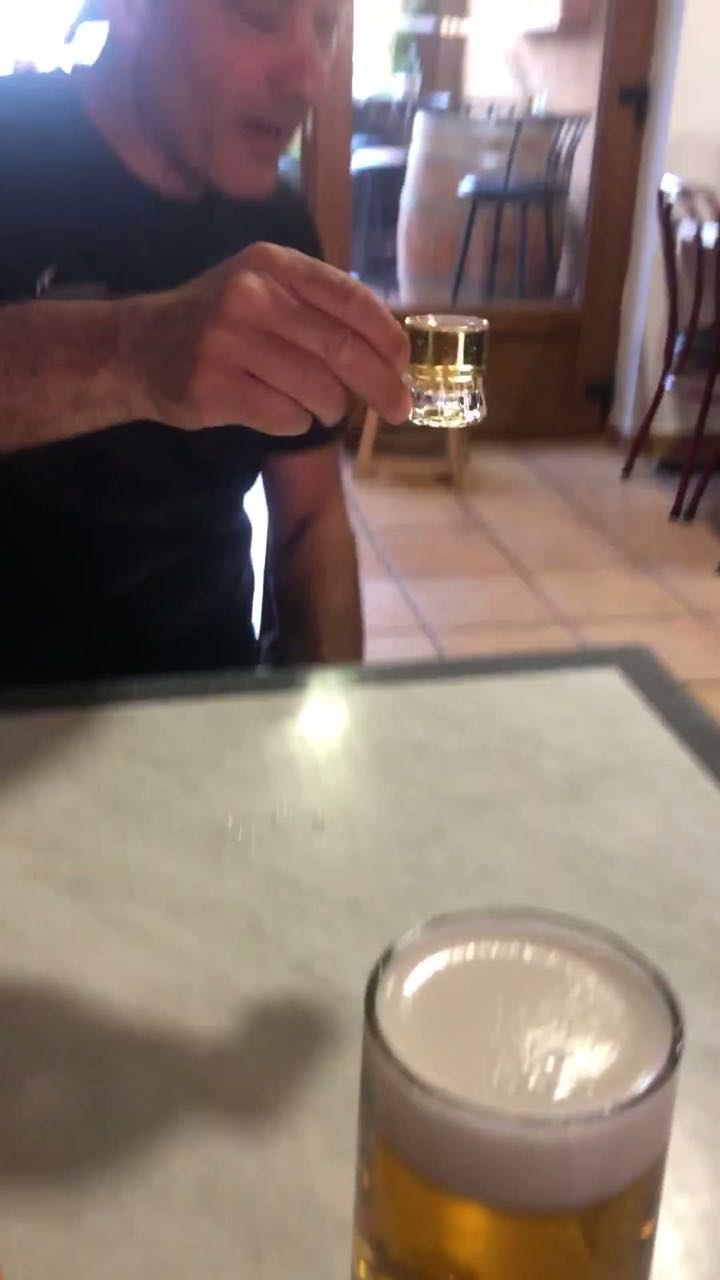
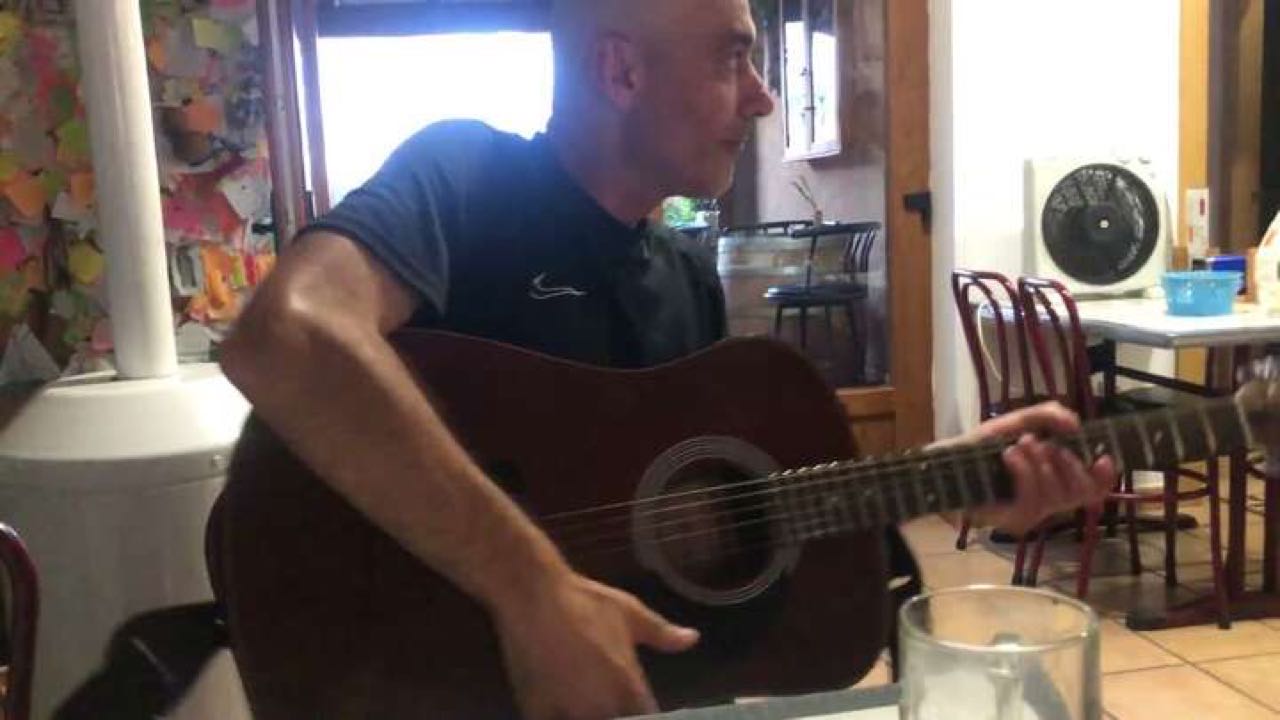
Heat, detours, and real logistics: the day that sets up León.
Burgo Ranero / Mansilla area, with planning toward arrival in León.
On the same day I also heard from Thomas: he was already beyond Ponferrada and was already thinking about Santiago + Finisterre (also by hitchhiking). It was the perfect picture of how our rhythms were now on different tracks.
June 30 was a day of smart management more than “raw leg power”: heat, reasoned stops, cash, accommodation, and decisions on when to push and when to stop.
In the morning I wrote with Catherine almost in real time: she was in Sahagún and was not feeling well (cold, nausea, little sleep), so we reasoned step by step on how much to push and how much to protect herself. I repeated to her to listen to her body and not overdo it: on the Camino there is no need to play heroes when the day goes wrong.
Meanwhile I was in the Burgo Ranero area, with a non-trivial practical issue: few services and no convenient bank. In these small villages, if you mismanage cash, you get blocked quickly. It is one of those things that from outside look like details, but on the Camino become central.
With Giselle we updated where each person was and where to converge: in the end she kept going, and we began coordinating for León, with the idea of staying there at least two days.
With Francesco there was also the classic pilgrim-life episode: he had arrived in the same village but in another albergue because the donativo was full, and he asked if I could lend him cash because there they did not accept cards. I was almost in the same situation: I had very little cash and could scrape together only a small amount. This too was emblematic of that period: strong heat, small villages, limited services, and continuous micro-solutions among pilgrims.
In the afternoon/evening the conversation with Catherine became more strategic: she had taken a variant (Camino Romano), the tracks had split, and we realigned positions and goals. In that phase she was very doubtful about what to do: she had even considered taking a bus. In the end, however, she stayed faithful to the original idea of doing the whole route on foot, and she made it. The impressive thing was exactly this: from a morning when she was even thinking about stopping in Sahagún to sleep, she got to close 30 km. Incredible willpower. By end of day she had still done about 30 km despite the difficult start: feet destroyed, but high satisfaction.
Meanwhile I was evaluating a long night push to aim for León, then in the evening I checked the weather again and adjusted the plan: no useless forcing, early alarm, and walking in the morning coolness. Simple decision, but right.
Dry, rough day: hot air, overheated rooms, short shade breaks, and phone always in hand to fit distances and people together.
The best stages are not always the most epic: often they are the ones where you manage limits well, yours and others', without losing direction.
If reading this diary makes you feel the Camino might be calling you, but you still need to clarify a few things, start with the free guide.
Day notes